


The end of the fifteenth century in the Balkans was hardly the setting for a romantic story, nor was it a time that encouraged reflection on culture. It was an era of uncertainty. States were disappearing, borders were shifting, and small lands were searching for ways to preserve themselves.
In that context, the Crnojević family made an unusual decision. Instead of investing solely in the army and defense—which were urgently needed in those years—they chose to invest in books. During the rule of Đurađ Crnojević, in the early 1490s, the Obod Printing House was established—the first state-owned printing press in the South Slavic region.
This was not merely a technical innovation. It was a political and cultural statement.
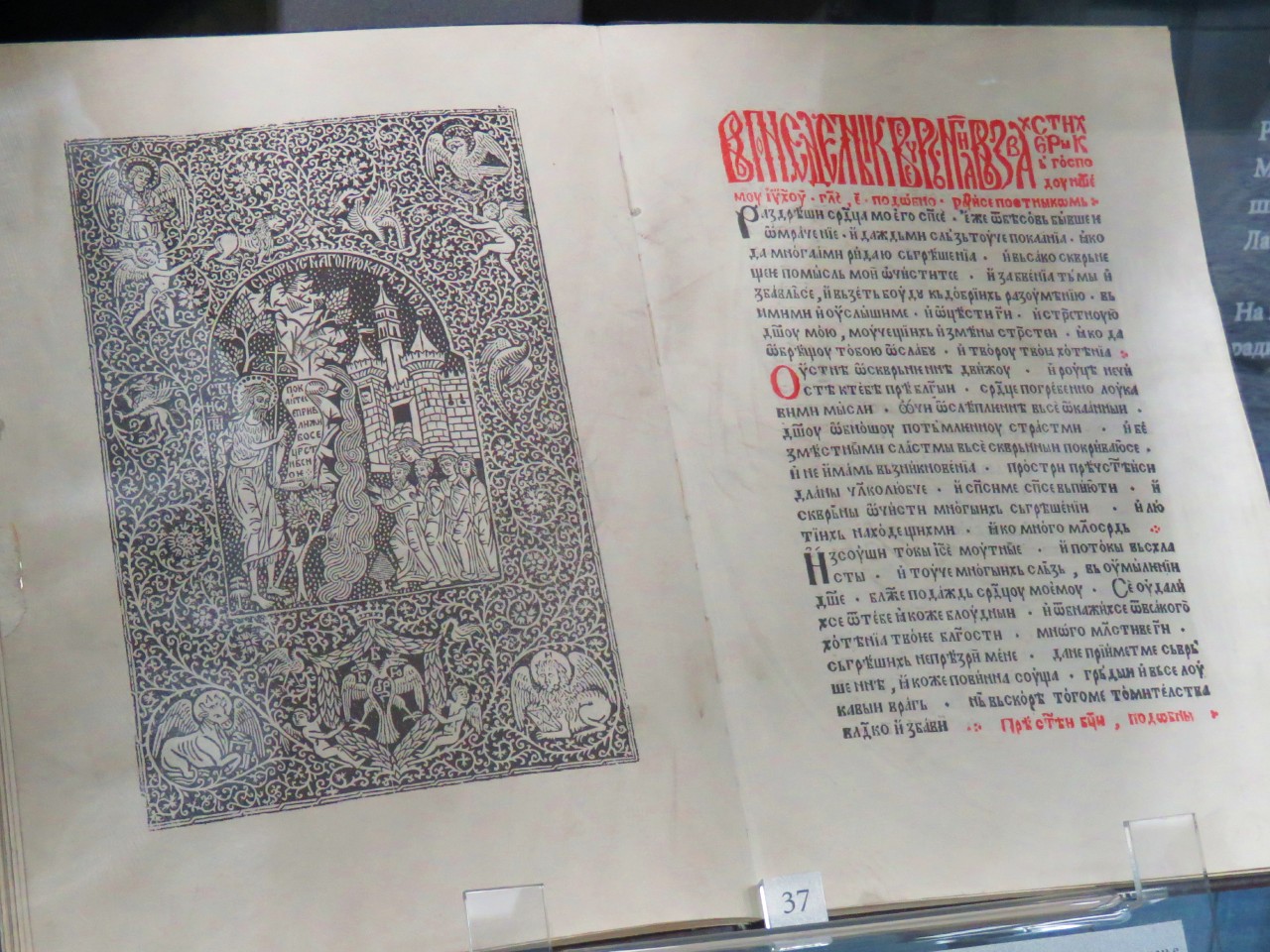
The most famous publication from this press is the Oktoih – First Tone, completed in early 1494. Printed in Cyrillic, in two colors, with carefully designed letters and ornaments, it did not appear improvised. It was a serious and thoughtfully executed project.
Printing had already begun transforming European society at the time. But in this region, it meant something more—preserving language, script, and spiritual continuity. At a moment when political survival was uncertain, the book became a guarantee of endurance.
In the years that followed, several additional religious books were printed, demonstrating that this was not a symbolic, one-time effort, but a short yet organized publishing undertaking.
The printing house operated for only a few years. Toward the end of the century, as Ottoman pressure intensified and the threat of war drew closer, its work came to an end. The project was brief, but its impact endured.
Today, when Rijeka Crnojevića is mentioned, people most often speak about its landscapes and its bridge. Less often do they recall that this very area was part of the early European printing revolution, only a few decades after Gutenberg.
Perhaps that is the most compelling part of this story—that in a time of deep uncertainty, someone believed that investing in knowledge mattered more than immediate power.
And the books printed then still exist. They still bear witness.
